


Inside Our Process: How Certified Technicians Handle Kitchen Hood Cleaning Services

Inside Our Process: How Certified Technicians Handle Kitchen Hood Cleaning Services

A busy kitchen line goes through hundreds of pans a week, and every one of them sends grease particles up into the hood. Most people never think about where that grease actually ends up. It settles into the metal, coats the filters, and if nobody’s cleaning it out on schedule, it just keeps stacking up above an open flame. This deposited grease over time becomes the perfect setup for a kitchen fire hazard waiting to happen. This is why professional hood cleaning services exist in the first place. Here’s a look at what a certified crew actually does when they show up for the job.

Importance of Hood Cleaning for Every Commercial Kitchen

Fire risk is the first reason why we need hood cleaning services. Grease doesn’t need much heat to ignite once it’s built up thick enough, and hoods sit right above the source of that heat all day long. But apart from fire risk, there are also other reasons commercial kitchens need these services.

A clogged hood also blocks airflow, so smoke and heat sit in the kitchen longer than they should, and staff end up working in worse conditions than necessary. Exhaust fans wear out faster too when grease is choking the system. And if an inspector shows up unannounced, a hood that hasn’t been touched in months is one of the first things that gets flagged.

The importance of hood cleaning affects how the whole kitchen operates day to day.

What Certified Technicians Inspect Before Cleaning Begins

Assessing Grease Build-Up

Before any scrubbing starts, technicians walk the system first. Hood canopy, filters, ductwork, exhaust fan – each gets checked so they know how bad the buildup actually is before deciding the best approach to clean it.

Identifying Problem Areas

Grease never builds up evenly. Some corners of a hood system trap way more than others, and those spots usually need extra time and different tools. Technicians note the heavy areas, the awkward-to-reach sections, and anywhere a past cleaning clearly missed.

Step-by-Step Hood Cleaning Process

Step 1 – Preparing and Protecting the Kitchen Area

Nothing gets sprayed until the surrounding kitchen is covered and protected. Equipment gets shielded, floors get covered, and depending on the layout, ladders or lifts get set up to reach the higher sections safely.

Step 2 – Removing Filters and Components

Filters come off first. Once they’re out, technicians have a direct path to the areas where grease collects the fastest, and the filters themselves get cleaned separately rather than scrubbed in place.

Step 3 – Deep Degreasing the Hood System

This step takes the longest. Commercial-grade degreasers go on to loosen years or months of buildup, followed by scraping and pressure washing to actually strip it off the metal. Thick, older buildup sometimes needs a second round before it comes clean.

Step 4 – Cleaning Ductwork and Exhaust Components

The part people forget about is everything behind the hood itself. Grease travels further into the ductwork and exhaust system than most owners realize, and that hidden buildup is exactly what turns into a serious fire hazard down the line if nobody’s checking it.

Step 5 – Final Inspection and Documentation

Once the physical work wraps up, the whole system gets reviewed again against safety standards. Technicians hand over documentation at this point too – proof of the work that owners can pull out for insurance purposes or the next fire inspection.

Put together, that’s the hood cleaning process start to finish, and it’s a lot more involved than a quick spray-and-wipe.

The Role of Professional Grease Removal Services

Baked-on grease doesn’t respond to dish soap or a scrub brush. It needs stronger tools and degreasers made specifically for the job. That’s really the value professional grease removal services bring – equipment that runs cooler and cleaner afterwards, and a fire risk that’s actually gone down instead of just hidden under a surface wipe.

DIY vs Professional Hood Cleaning: What’s the Difference?

DIY Cleaning Professional Cleaning
Cleans visible surfaces Cleans the entire exhaust system
Limited equipment Commercial-grade tools and products
May miss hidden grease Thorough inspection and cleaning
Higher compliance risks Helps meet industry standards

Most of the gap in DIY vs professional hood cleaning shows up in places a mop or a rag was never going to reach anyway.

How Often Should Commercial Kitchen Hoods Be Cleaned?

There’s no single answer – it comes down to how much cooking actually happens. A restaurant running fryers and grills nonstop needs a tighter schedule than a kitchen that only cooks a few hours a day. Seasonal kitchens or lower-volume spots can usually stretch the gap between cleanings a bit further. Regardless of volume, sticking to a set schedule is much better than waiting for a hazard to take place.

Why Businesses Trust Certified Hood Cleaning Services

Training is really what separates a certified crew from anyone with a pressure washer. They know what buildup looks like at different stages, follow safety steps built for grease and exhaust work specifically, and deliver roughly the same result every single visit. Over time, that consistency saves equipment from unnecessary wear and keeps owners from scrambling before every inspection cycle.

Conclusion

A real hood cleaning involves an inspection, a full degreasing pass, and paperwork at the end -not a fast wipe of the visible surfaces. Certified hood cleaning services with Crystal Clean Maintenance.  get into that hidden buildup properly, and that’s what keeps a commercial kitchen safe and compliant over the long run.

FAQs

How often should a commercial kitchen hood be cleaned?

It depends on cooking volume, but most kitchens need it anywhere from monthly to a few times a year.

Is DIY hood cleaning enough to stay compliant?

No, since DIY methods usually miss the hidden grease inside ductwork that inspectors and fire codes actually check for.

Why hire certified technicians instead of general cleaning staff?

Certified techs are trained specifically for grease removal and exhaust systems, which general cleaning staff typically aren’t.
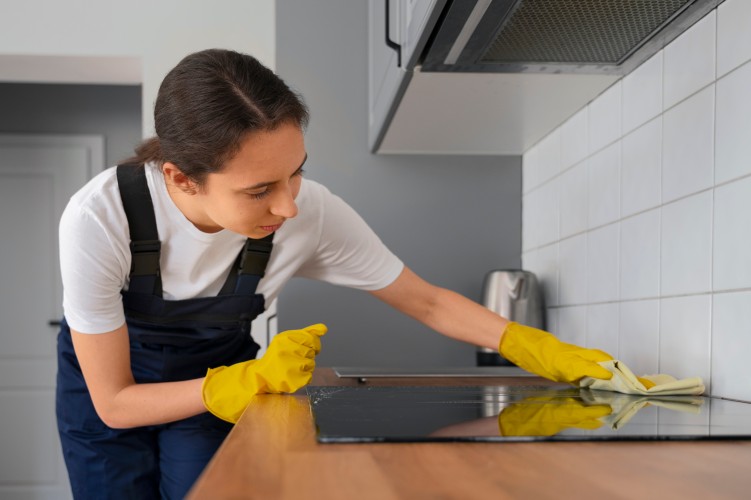
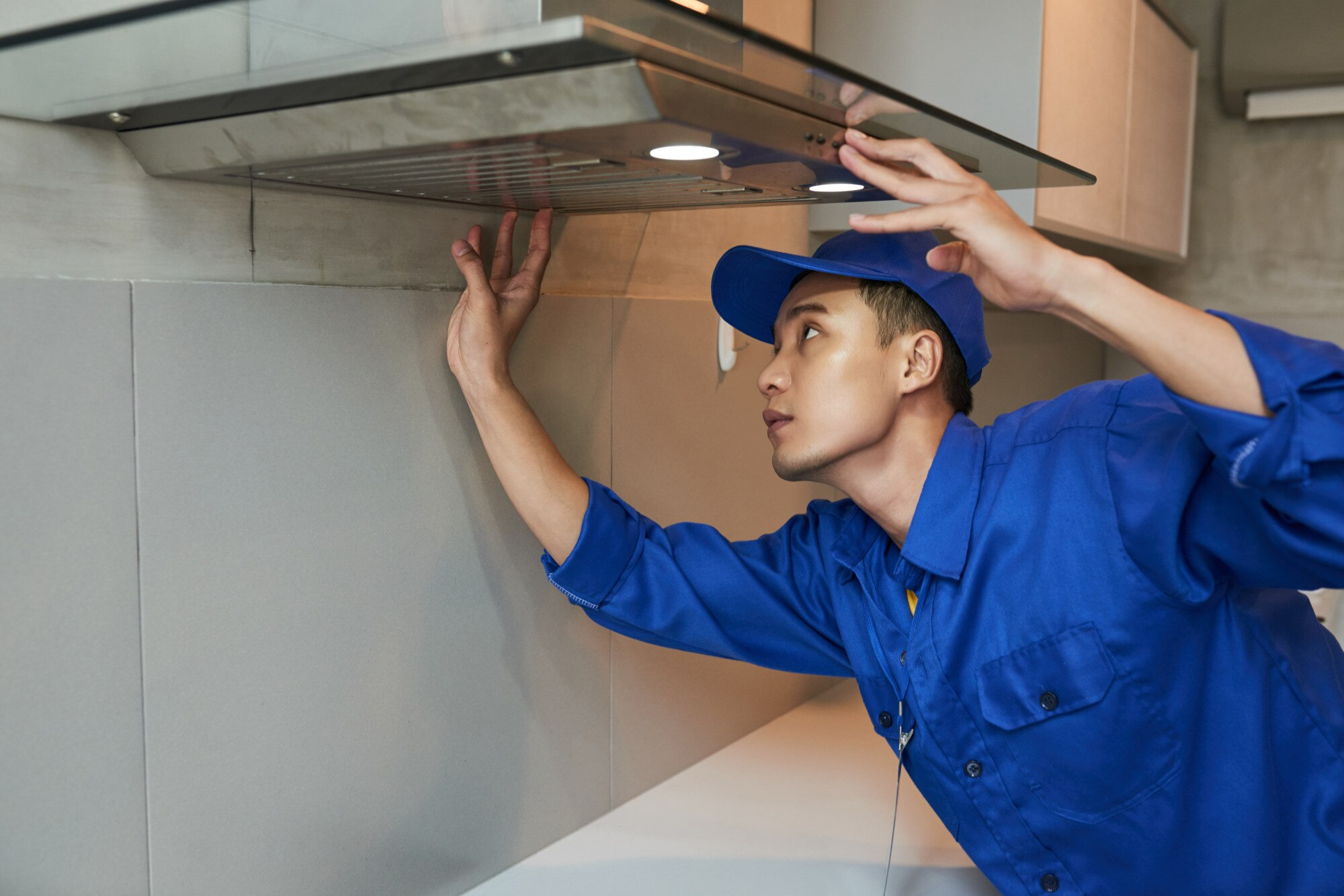
Commercial kitchen cleaning company

Red Flags to Watch Out for When Hiring Kitchen Cleaners

Managing a busy kitchen already feels like juggling ten things at once. Orders flying in, staff to coordinate, and barely a moment to pause- cleaning shouldn’t be another thing keeping you up at night. That’s usually why people bring in a commercial kitchen cleaning company in the first place.

But here’s the part people don’t talk about much: not every team you hire will actually make your life easier. Some rush through the job, some miss the areas that matter most, and a few just do the bare minimum to get by. On the surface, everything might look fine, but underneath, problems can build up quietly- whether it’s hygiene issues or risks you really don’t want to deal with later.

Here is a quick guide on the warning signs you should watch out for before you sign on the dotted line.

Vague Pricing and Those “Hidden” Fees

If the price sounds unusually low, it’s worth pausing for a second. Good cleaning work takes time, proper tools, and trained people- none of that comes cheap. When a quote feels vague or the team avoids breaking down what you’re actually paying for, there’s a chance extra charges will show up later.

A reliable commercial kitchen cleaning company won’t make you guess. They’ll tell you what’s included, what isn’t, and why it costs what it does. If you’re left more confused after asking about pricing, that’s usually your cue to move on.

Lack of Specialized Certification

Kitchens aren’t like standard offices; they require a specific type of technical knowledge. You wouldn’t hire a general handyman to fix a complex electrical grid, and the same logic applies here.

  • No proof of insurance: If a cleaner gets injured or accidentally damages your expensive equipment, you shouldn’t be the one stuck with the bill.
  • Unfamiliarity with local codes: They must know the health and safety regulations specific to our area to ensure you stay compliant.
  • Missing safety gear: Professional crews should always arrive with the right PPE and industrial-grade tools for the job.

Ignoring the “Invisible” Grease

A common red flag is a crew that only cleans what is immediately visible to the eye. The real dangers in a kitchen often lurk where customers and managers can’t see. For example, failing to maintain the drainage system is a total recipe for disaster. If a provider doesn’t offer or understand the importance of a grease trap cleaning for commercial setups, they are leaving you at risk for nasty backups and foul odors.

Similarly, a massive red flag is neglecting the ventilation. If your commercial cleaning of vents is ignored, grease builds up deep in the ducts, which is the leading cause of restaurant fires.

Poor Communication and Unreliability

How a company treats you during the inquiry phase says a lot about how they will treat your kitchen once the doors are locked. If they are slow to return calls or show up late for a simple walkthrough, imagine how they’ll behave on a Tuesday night after a double shift.

  • Inconsistent scheduling: You need a team that sticks to a rigorous, dependable timeline.
  • Lack of a supervisor: There should always be a clear point of contact to ensure quality control stays high.

No Documented Proof of Work

In this industry, if it isn’t documented, it didn’t happen. A reliable company for cleaning commercial kitchens will always provide you with a “before and after” report or a signed checklist. This isn’t just for your peace of mind; it’s essential for insurance purposes and health department audits. If a team seems annoyed by a request for documentation, they probably aren’t doing a thorough job behind the scenes.

Choosing the right partner is about more than just a mop and bucket; it’s about protecting your business and your reputation. At Crystal Clean Maintenance, we believe in doing things the right way the first time.

Need a kitchen that truly shines? Reach out to Crystal Clean Maintenance today for a service you can actually trust.

Duct Cleaning

What Happens When Restaurant Duct Cleaning Is Delayed

Duct cleaning in restaurants is significant in ensuring that commercial kitchens are safe and in compliance. At Crystal Clean Maintenance, there are common situations that we noticed, where restaurants will wait till some issues are seen in the ducts before they perform maintenance. By then, grease buildup has already affected airflow, safety, and inspection readiness.

Our restaurant kitchen cleaning services focus on preventing these risks before they disrupt daily operations. When kitchens delay Restaurant hood cleaning and duct care, problems grow quickly and become expensive to fix.

How Grease Builds Up Inside Restaurant Ducts

The commercial kitchens generate grease during each cooking cycle. The vapors are lifted to hoods and then move along the ducts, cooled and collect on metal surfaces. These layers eventually become hard, and they block air intake.

Common causes of duct grease buildup include:

  • High volume cooking without scheduled cleaning
  • Infrequent Restaurant hood cleaning
  • Ignoring early warning signs inside ventilation systems

Once grease accumulates, normal airflow cannot carry heat and smoke out efficiently. This creates unsafe working conditions.

Early Warning Signs of Neglected Ductwork

Delayed restaurant duct cleaning often shows clear signs before major failures occur. Many restaurant owners overlook these warnings until inspections fail.

Watch for these indicators:

  • Strong odors that linger after cooking
  • Smoke that stays in the kitchen longer than usual
  • Reduced airflow through hoods and vents
  • Grease dripping near hood edges

Our restaurant kitchen cleaning services address these issues early to avoid operational disruptions.

Fire and Health Risks Linked to Delayed Cleaning

Grease inside ducts creates a serious fire hazard. Once flames reach grease-coated surfaces, fires spread rapidly through ventilation systems. Health risks also increase when smoke and airborne particles remain trapped indoors.

Risks tied to delayed restaurant duct cleaning include:

  • Higher chance of grease-fueled fires
  • Poor air quality affecting staff health
  • Increased heat buildup near cooking equipment

Crystal Clean Maintenance performs Restaurant hood cleaning and duct maintenance to remove fire fuel sources before they ignite.

How Delayed Cleaning Affects Hood Performance

Hoods rely on clean ducts to function properly. When ducts clog with grease, hoods lose suction power. This makes kitchens hotter and less comfortable for staff.

Problems caused by poor hood performance include:

  • Smoke escaping into dining areas
  • Grease collecting on nearby surfaces
  • Fans are working harder and wearing out faster

Restaurant hood cleaning works best when paired with proper duct cleaning. Our restaurant kitchen cleaning services treat these systems as one connected unit.

Inspection Failures and Business Interruptions

Health and fire inspections focus heavily on ventilation systems. Inspectors look for visible grease and airflow issues. Delayed restaurant duct cleaning often leads to citations or temporary shutdowns.

Consequences of failed inspections may include:

  • Mandatory deep cleaning under tight deadlines
  • Lost revenue during forced closures
  • Increased scrutiny in future inspections

Crystal Clean Maintenance helps restaurants stay inspection-ready with scheduled Restaurant hood cleaning and duct services.

Why Professional Cleaning Keeps Kitchens Compliant

Professional restaurant kitchen cleaning services remove grease from areas that staff cannot reach. We use approved methods to clean ducts, hoods, and connected systems thoroughly.

Benefits of timely service include:

  • Reduced fire and health risks
  • Better airflow and ventilation efficiency
  • Consistent inspection compliance

Restaurant duct cleaning protects both equipment and people when performed on schedule.

Conclusion

Delaying restaurant duct cleaning creates risks that grow quietly over time. Grease buildup affects airflow, increases fire hazards, and leads to inspection failures. We offer restaurant kitchen cleaning services at Crystal Clean Maintenance, which deals with ducts and hoods. Restaurant hood cleaning provides the advantages of a safer, cleaner and compliant kitchen when working together with duct maintenance. Frequent maintenance eliminates expensive downtimes and maintains the operations at a low cost.

How Professional Cleaning Extends the Life of Commercial Kitchen Appliances

If you’ve ever worked in a busy kitchen, you know appliances don’t get much rest. Fryers bubble away all day, the oven is never cool, fans hum in the background, and refrigerators get opened every other minute. With such a workload, there’s little wonder that everything gets worn out in less time than it is supposed to. And here is the catch: cleaning does help! Although not just for a polished look, commercial kitchen cleaning services help in extending the operational life of equipment you have invested in and keeping it running efficiently.

Grease: The Silent Equipment Killer

Grease and grime are like slow poison for appliances. A fryer caked with old oil residue doesn’t heat evenly. Ovens coated with baked-on spills need more energy to do the same job. Even refrigerators struggle if their coils are covered in dust. It’s easy to forget these things until something breaks-and then you’re stuck with a huge repair bill or even a full replacement.

Professional cleaners offering restaurant kitchen cleaning services tackle the buildup that your staff just can’t get to during nightly wipe-downs. Removing that gunk reduces the strain on motors, fans, and burners, which in turn stretches out the life of your machines.

Saving More than Just Equipment

Another overlooked perk? Lower utility costs. When grease and grime pile up, appliances strain to do even simple tasks, pulling more gas or electricity than they should. A fridge with dust-coated coils runs hot and wastes power, fans that are gummed up spin harder than necessary, and ovens covered in residue burn extra fuel just to stay at temp. Keep them clean, and suddenly everything runs easier and your monthly bills drop right along with it.

That’s real money back in your pocket every month. And let’s be honest-most restaurants operate on razor-thin margins. Cutting down on wasted energy while avoiding emergency repair calls is a win on both fronts.

Safety and Health Count Too

Dirty appliances aren’t just inefficient-they can be dangerous. Grease buildup in hoods and ducts is one of the leading causes of kitchen fires. And food debris stuck in hidden corners? That’s an open invitation for pests.

This is where Kitchen Cleaning Services make a difference. They don’t just wipe the surfaces you can see. They dig into vents, fans, and the little spaces where buildup loves to hide. The result? Safer kitchens, fewer fire hazards, and a much healthier environment for both staff and customers.

Why Routine Cleaning Pays Off

Think about it like this: would you drive a car for years without ever changing the oil? Of course not. The same logic applies in restaurants. Daily cleaning from staff is necessary, but it’s never enough. Scheduled deep cleans by restaurant kitchen cleaning services give appliances the kind of reset they need to keep running at full strength.

Instead of waiting for something to break during a dinner rush, you’re preventing breakdowns altogether. That’s not just peace of mind-it’s added years of life for machines that cost thousands to replace.

When It’s Time to Call In Help

Sometimes the warning signs are obvious:

  • Fans making strange noises
  • Ovens taking forever to heat properly
  • Walk-in coolers struggling to stay cold
  • Strong smells coming from the exhaust system

These aren’t just quirks-they’re red flags. Catching them early with a professional deep clean can save you from downtime and costly service calls.

The Bigger Picture

When you add it all up, cleaning is one of the simplest ways to protect your investment. Regular deep cleaning extends the lifespan of appliances, reduces energy costs, lowers fire risks, and avoids expensive replacements. It’s not really a “nice-to-have”-it’s essential.

Closing Thought

A well-kept kitchen doesn’t just serve great food-it runs smoothly behind the scenes. Professional commercial kitchen cleaning services and routine deep cleans keep appliances alive longer, save money in the long run, and create a safer space for everyone who steps inside.

Modern Cleaning Service

Grease Cleaning Service vs. DIY What You Need To Know

If you run a small restaurant or operate a big kitchen, you know how fast grease can set in. It is a dirty job from clogged grease trap cleaning to merely keeping grease off the kitchen exhaust system. But would you do it alone, or hire a commercial kitchen cleaning company? Let is break this down.

The DIY Way

It might seem like the cheaper option when looked at on a disorganized basis. An owner sometimes undertakes cleaning his or her grease traps or hood system using various degreasers and a little elbow grease. But here’s the twist:

  • DIY methods rarely remove all grease buildup
  • It’s messy, time-consuming, and honestly kind of gross
  • You could damage expensive equipment if you are not careful
  • Health code violation can happen if grease isn’t properly handled

And when it comes to commercial grease trap cleaning, improper disposal can land you in trouble with local regulations too.

The Professional Advantage

Hiring a commercial kitchen cleaning company like Crystal Clean Maintenance means you are getting trained professionals who know exactly how to handle grease and safely dispose of it.

Here’s what you get with a professional service:

  • Deep cleaning that reaches areas DIY methods miss
  • Proper equipment for safe and effective grease removal
  • Certified commercial grease trap cleaning that meets local compliance standards
  • Peace of mind knowing your kitchen is safe, clean, and up to code

Plus, we handle the gross stuff so you don’t have to. That’s a win in our books.

If you are dealing with light daily cleaning, a little DIY is fine. But for serious grease buildup or regulatory requirements, professional cleaning is the way to go.

At Crystal Clean Maintenance, we have helped hundreds of kitchen stay safe and spotless. Whether it is your exhaust system, grease trap, or full kitchen, we have got the tools and training to do it right.

Ready to ditch the mess? Trust a commercial kitchen cleaning company that knows grease – and how to get rid of it.