








Dust builds up in warehouses in places most people never think to check – up on the beams, behind racking, along dock levelers nobody’s touched in months. A facility can look reasonably tidy on a quick walkthrough and still be sitting on problems that turn into safety issues or failed inspections later. Hiring a proper warehouse cleaning company means getting more than someone running a broom around twice a week. It means a structured approach that actually covers what a working warehouse needs, not what’s convenient to clean.
Why Warehouses Need a Different Approach
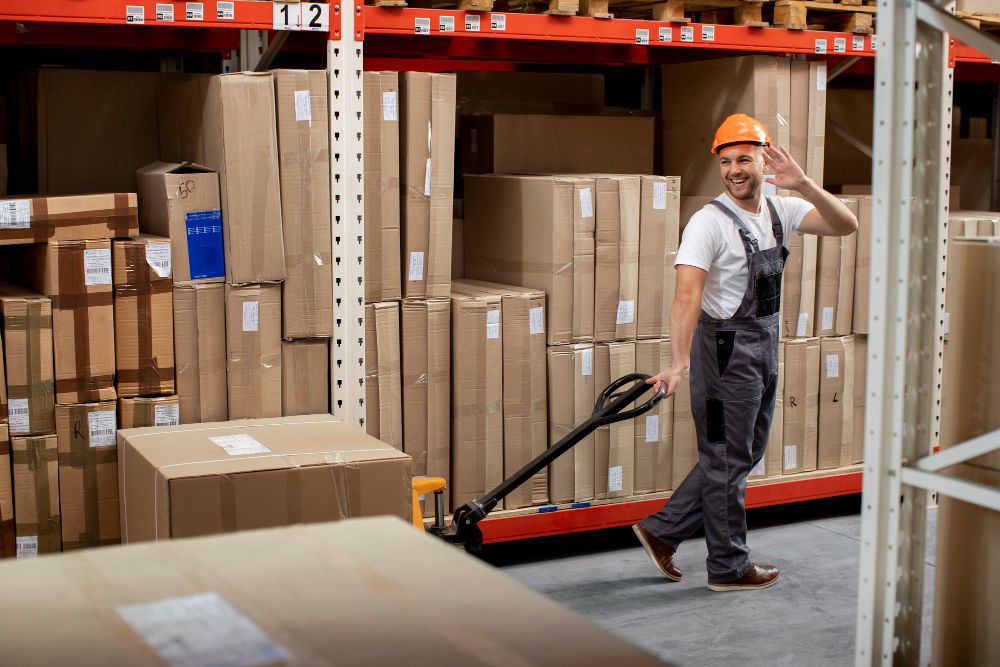
Office cleaning and warehouse cleaning aren’t remotely the same job. Warehouses deal with high ceilings, heavy machinery, constant foot and forklift traffic, and dust that settles into places a standard cleaning crew wouldn’t think to check. A facility running industrial warehouse cleaning services properly needs equipment and expertise built for that scale, and not a residential cleaning team scaled up without adjusting for the actual environment.
The Checklist Every Facility Manager Should Be Running
A thorough warehouse cleaning program covers considerably more ground than floors alone:
- Dusting and cobweb removal at height – beams of the ceiling, some pipes, as well as light fixtures are where dust settles down and there is nothing one can do to stop it from falling down to the items and devices positioned below.
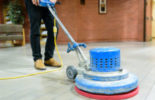
- Scrubbing and degreasing the floors – floors made from concrete used in busy areas require something more than just a mop, especially if they are close to loading docks or heavy machines where grease and oil accumulate.
- Cleaning the shelves and racks – shelves accumulate dust over time, and for those facilities where dealing with food and medicine is a priority, this may lead to serious compliance issues instead of just relating to appearance.
- Loading dock and dock leveler cleaning – one of the dirtiest, highest-traffic areas in any warehouse, and often the most neglected
- Restroom and break room sanitation – often overlooked in facility-wide contracts despite being a genuine health concern for staff
- Window and skylight cleaning – affects both appearance and how much natural light actually reaches the floor, which matters for both safety and energy costs
Skipping any of these tends to create problems that show up later as either a safety incident or a failed inspection, rather than something caught early during routine maintenance.
Frequency Matters as Much as Scope
A checklist cannot yield meaningful results unless it is operated as per the schedule of the facility’s business operations. For instance, commonly used areas, such as loading bays, main paths, break rooms require daily or practically daily cleaning services. Racking, removal of dust from high locations, and intensive cleaning of the floor, can generally be performed on a weekly or monthly basis depending on the size of the facility and the amount of dust and dirt it produces.
Compliance Isn’t Optional
Warehouses that process food, pharmaceuticals or any other regulated products have to comply with inspection regulations that are much stricter than simply keeping a clean facility. Dust on the racking, unclean floors or a dirty restrooms could cause compliance problems in an audit. A well-established warehouse cleaning company has to be able to show how it keeps records of the service so that if regulators come to check the facility, it has what it needs.
What to Look for in a Cleaning Partner
Not all cleaning providers have the capability to clean commercial properties. Certain aspects that need confirmation before agreeing are given below:
- Prior experience in cleaning warehouses and industrial units, not merely offices and shops
- Proficient machinery for high-level cleaning and industrial floor servicing
- Insurance and safety certificates for operating close to machines and heights
- A registered timetable and monitoring system rather than just a careless “regular cleaning” statement.
Crystal Clean Maintenance builds its warehouse contracts around exactly this kind of structured checklist, covering everything from high dusting to dock cleaning on a schedule matched to how the facility actually operates, rather than a generic once-over that misses the areas that matter most.
Getting Ahead of Problems Before They Show Up
A warehouse that looks clean on a quick walkthrough can still be hiding issues in racking, overhead structures, or loading areas that only surface during an inspection or after an incident. Running a proper checklist consistently through a provider that actually understands industrial-scale facilities is what keeps a warehouse both compliant and genuinely safe to work in, and not just presentable for a quick look around.