



Commercial Floor Cleaning Services

How Professional Commercial Floor Cleaning Services Protect Your Facility’s Value

Floors take more abuse than almost anything else in a commercial building, and it shows up slowly – a bit of dulling here, a scuff pattern building up there – until one day the floor looks noticeably worn, and nobody can quite pinpoint when it happened. That gradual decline is exactly what proper commercial floor cleaning services are meant to prevent, and skipping this maintenance tends to cost far more down the line than the cleaning itself would have.

Floors Are a Bigger Asset Than Most Facility Managers Treat Them As

Replacing commercial flooring is expensive, disruptive, and usually means shutting down part of a facility while the work gets done. A floor that’s properly maintained can last considerably longer than one left to wear down on its own, which makes routine cleaning less of a cosmetic expense and more of an actual asset protection strategy. Facility managers who treat floor care as optional tend to end up paying for full replacement years earlier than necessary.

What Regular Foot Traffic Actually Does to a Floor

As people walk across a commercial floor, they bring in dirt, grit, and moisture, and over time the accumulation of these materials causes wear on the floor’s protective layer. After the layer has worn away, the floor is left exposed to the elements and subjected to faster damage than many believe. There are several specific issues that arise when a lack of maintenance takes its toll:

  • Dulling and loss of shine, particularly in high-traffic corridors and entryways
  • Scratches and scuffing that deepen over time without proper buffing
  • Grout and seam discoloration in tiled areas that regular mopping simply can’t reach
  • Slip hazards from grime buildup, particularly in areas exposed to moisture or grease

Professional Cleaning Does More Than a Standard Mop-and-Bucket Routine

There’s a real difference between daily maintenance cleaning and the kind of work professional commercial floor cleaning services actually provide. Professional-grade equipment can strip old wax or sealant, deep clean grout lines, and apply protective coatings that a standard mop simply can’t replicate. This level of care isn’t necessary every single day, but running it on a proper schedule extends the floor’s life considerably compared to relying on daily cleaning alone.

How Often Different Floor Types Actually Need It

How often floor maintenance is required depends largely on floor material and traffic level. Vinyl and linoleum flooring in busy areas usually require stripping and resealing every few months. Tile and grout require less frequent deep cleaning but still need maintenance to avoid staining. Concrete flooring in industrial or warehouse areas requires a different approach.

Why This Matters for Property Value, Not Just Appearance

A well-maintained floor affects more than how a space looks to visitors or customers walking in. Commercial properties get appraised partly on the condition of fixtures and finishes, and flooring that’s visibly worn or damaged can genuinely affect a property’s valuation during a sale or lease renewal. Beyond that, worn or damaged flooring creates liability exposure – a cracked or uneven surface is a slip-and-fall risk that most facility insurance policies scrutinize closely after an incident.

What to Look for in a Floor Cleaning Partner

Not every cleaning contractor has the right equipment or experience for commercial-scale floor maintenance. A few things worth confirming before signing on:

  • Experience with your specific floor type, since vinyl, tile, and concrete all need different treatment approaches
  • Proper industrial-grade equipment for stripping, buffing, and resealing
  • A documented maintenance schedule rather than a vague promise of periodic service
  • References or case studies from similar commercial facilities

Crystal Clean Maintenance incorporates floor care into its commercial contracts using a precise approach involving scheduled flooring visits with specific materials in mind. The company recognizes that flooring is an asset that needs to be protected rather than merely an item that is cleaned during its cleaning visits.

Protecting What’s Already an Investment

Floors represent a real capital investment that most facilities never think to protect the same way they’d protect equipment or fixtures. Running a proper maintenance schedule through a provider that actually understands different floor types is what keeps that investment intact – extending its lifespan, maintaining its appearance, and avoiding the liability risk that comes with letting it wear down unchecked.

 

Commercial Hood and Duct Cleaning Services:

Commercial Hood and Duct Cleaning Services: Ensuring Safety and Compliance

Grease builds up inside a kitchen exhaust system whether anyone notices it or not, and by the time it’s visible on the hood surface, there’s usually a lot more sitting further back in the ductwork than most kitchen managers realize. A proper kitchen exhaust hood cleaning service exists precisely because this buildup isn’t just an appearance issue; it’s one of the leading fire risks in any commercial kitchen, and it’s exactly the kind of thing that gets flagged hard during inspection.

Why Grease Buildup Is a Bigger Problem Than It Looks

With every hour that passes, grease-impacted vapor travels the kitchen via the hood, takes its way through the duct, and reaches the fan position outside. During this journey, some of the grease particles condense and stick to the inner parts, thus forming one layer after another in the course of several weeks or months. If not addressed, the buildup of grease vapor becomes very flammable, and fires originating in the hood system of the kitchen can easily spread.

A few warning signs that a system is overdue for attention:

  • Visible grease dripping or pooling near the hood filters
  • A noticeably stronger cooking odor lingering longer than usual in the kitchen
  • Reduced airflow or a fan that seems to be working harder than it should
  • Any visible grease residue on ceiling tiles or walls near the exhaust system

What Commercial Hood and Duct Cleaning Actually Involves

A proper cleaning goes well beyond wiping down the visible hood surface. Commercial hood and duct cleaning services typically cover the hood itself, the filters, the ductwork running through the building, and the exhaust fan at the rooftop or exterior termination point. This usually means physically accessing sections of ductwork that aren’t visible during daily kitchen operation, since grease accumulates just as readily in those hidden sections as it does on the surfaces staff actually see.

Filters need attention on a far more frequent basis than the ductwork itself, since they’re the first line of defense catching grease before it travels further into the system. A kitchen running filters that haven’t been cleaned properly is effectively pushing more grease buildup deeper into the ductwork than necessary.

Compliance Isn’t Optional in This Area

Fire codes in most jurisdictions require documented, regular hood and duct cleaning for commercial kitchens, with frequency typically tied to how much cooking volume a kitchen actually produces. High-volume kitchens running solid fuel or heavy grease cooking often need service monthly, while lower-volume operations might only require quarterly or semi-annual cleaning. Insurance providers frequently request documentation of this cleaning schedule too, and a kitchen without proper records can find a fire-related claim denied outright if the exhaust system wasn’t maintained according to code.

What to Look for in a Cleaning Provider

Not every cleaning company is properly certified or equipped to handle this specific job. A few things worth confirming before hiring:

  • Certification specific to commercial kitchen exhaust systems, not just general commercial cleaning experience
  • Access to proper equipment for reaching interior ductwork sections, not just surface-level hood cleaning
  • Detailed documentation and service records provided after each cleaning, since this becomes essential for both fire inspections and insurance purposes
  • A cleaning schedule based on actual kitchen usage and cooking volume, rather than a generic one-size-fits-all timeline

Crystal Clean Maintenance runs its exhaust cleaning programs around exactly this kind of certified, documented approach, covering hoods, filters, ductwork, and exhaust fans. They provide services that are scheduled according to your commercial kitchen requirements and provide you with timely maintenance depending on how busy your kitchen operations remain.

Protecting the Kitchen and Everyone in It

A commercial kitchen exhaust system that’s properly maintained isn’t just a compliance checkbox—it’s a genuine safety measure protecting staff, the building, and the business itself from one of the more preventable fire risks in commercial cooking. Staying ahead of grease buildup through a scheduled, properly documented cleaning program is considerably cheaper and safer than dealing with the aftermath of a fire that started in a system nobody thought to check.

industry Cleaning Company

Industrial Deep Cleaning Services: 5 Signs Your Facility Needs One

Routine cleaning keeps a facility looking presentable day to day, but it doesn’t touch the stuff that builds up slowly underneath – grease collected into machinery bases, dust packed into ventilation systems, grime sitting in corners nobody’s reached in months. That’s the gap industrial deep cleaning services exist to fill, and most facility managers don’t realize they need one until the signs are already fairly obvious.

1. Routine Cleaning Isn’t Cutting Through the Grime Anymore

In case the regular crew is handling the same machinery and cleaning plan and yet the place appears dirty, it usually indicates that the mess has gone beyond what regular cleaning can manage. Dust and grease build up on top of one another over time, and at some point a mop or broom ceases to be usable. At this point, it is not about frequency of regular cleaning anymore; it’s about needing industrial deep cleaning services that are designed to clean everything thoroughly.

2. Equipment Is Failing More Often Than It Should

Dust and dirt are not mere superficial problems; they penetrate machinery, block vents, and make machines operate at a higher temperature or greater effort. If breakdowns happen more frequently recently and there is no apparent reason, it is advisable to see whether it is dirt that causes the issue. Hiring deep cleaning services for factories can often reverse problems that seem caused by mechanical breakdowns, while, in reality, the machinery just has accumulated too much dirt over the years.

3. An Inspection Is Coming Up and You’re Not Confident About It

Regulatory inspections, particularly in food production, pharmaceuticals, or anywhere handling sensitive materials, look well beyond what’s visible on a quick walkthrough. A few specific red flags tend to trigger the need for a deep clean before an inspection:

  • Dust accumulation in overhead structures, ductwork, or behind equipment that hasn’t been touched in a routine schedule
  • Grease buildup on floors or equipment bases in production areas
  • Visible residue in drains, corners, or hard-to-reach spots that standard cleaning skips over
  • Ventilation systems that haven’t been cleaned in longer than anyone can actually confirm

If any of these sound familiar, waiting until the inspection itself to find out is a genuinely risky bet.

4. Staff Are Raising Health or Air Quality Complaints

Many factors can lead to staff complaints regarding the quality of air in a workplace. Dust, mould, and chemical residue that have built up over time impact not only the appearance of the premises but also the air that people breathe in. Regular cleaning is unable to address more serious issues, and if people begin to complain that their respiratory systems are bothered, a serious problem has already arisen.

5. It’s Been Longer Than a Year Since the Last Deep Clean

Even a well-run routine cleaning schedule doesn’t reach everything. There are areas like the ceiling structures, inside ductwork, the underside of various machines and equipment, plus areas used for storage that do not get cleaned despite regular daily cleaning practices. If the proper deep clean has not been done in over a year, then the site is overdue for such cleaning as per its state.

What a Proper Deep Clean Actually Involves

A real industrial deep clean goes well beyond a more thorough version of the usual routine. It typically covers high-level dusting and degreasing, machinery and equipment cleaning inside and out, ventilation and ductwork clearing, and floor treatment strong enough to lift buildup that’s been sitting for months or years. Crystal Clean Maintenance runs its deep cleaning programs around exactly this scope, working facilities back to a genuine clean baseline rather than just knocking the surface dirt off.

Catching It Before It Becomes a Bigger Problem

None of these five signs show up overnight, which is exactly why they’re easy to miss until something forces the issue – a failed inspection, a breakdown, a staff complaint that finally gets taken seriously. Scheduling industrial deep cleaning services on a proactive basis, rather than waiting for one of these signs to appear, tends to cost a lot less than dealing with the consequences of putting it off.

Warehouse Cleaning Services

Industrial Warehouse Cleaning Services: A Must-Have Checklist for Facility Managers

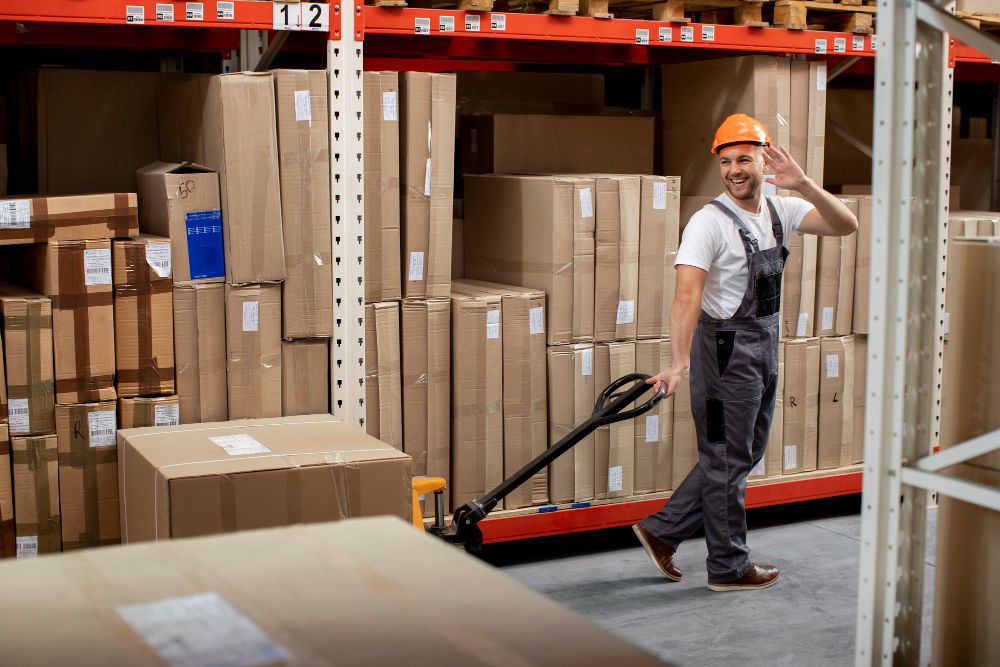
Dust builds up in warehouses in places most people never think to check – up on the beams, behind racking, along dock levelers nobody’s touched in months. A facility can look reasonably tidy on a quick walkthrough and still be sitting on problems that turn into safety issues or failed inspections later. Hiring a proper warehouse cleaning company means getting more than someone running a broom around twice a week. It means a structured approach that actually covers what a working warehouse needs, not what’s convenient to clean.

Why Warehouses Need a Different Approach

Office cleaning and warehouse cleaning aren’t remotely the same job. Warehouses deal with high ceilings, heavy machinery, constant foot and forklift traffic, and dust that settles into places a standard cleaning crew wouldn’t think to check. A facility running industrial warehouse cleaning services properly needs equipment and expertise built for that scale, and not a residential cleaning team scaled up without adjusting for the actual environment.

The Checklist Every Facility Manager Should Be Running

A thorough warehouse cleaning program covers considerably more ground than floors alone:

  • Dusting and cobweb removal at height – beams of the ceiling, some pipes, as well as light fixtures are where dust settles down and there is nothing one can do to stop it from falling down to the items and devices positioned below.
  • Scrubbing and degreasing the floors – floors made from concrete used in busy areas require something more than just a mop, especially if they are close to loading docks or heavy machines where grease and oil accumulate.
  • Cleaning the shelves and racks – shelves accumulate dust over time, and for those facilities where dealing with food and medicine is a priority, this may lead to serious compliance issues instead of just relating to appearance.
  • Loading dock and dock leveler cleaning – one of the dirtiest, highest-traffic areas in any warehouse, and often the most neglected
  • Restroom and break room sanitation – often overlooked in facility-wide contracts despite being a genuine health concern for staff
  • Window and skylight cleaning – affects both appearance and how much natural light actually reaches the floor, which matters for both safety and energy costs

Skipping any of these tends to create problems that show up later as either a safety incident or a failed inspection, rather than something caught early during routine maintenance.

Frequency Matters as Much as Scope

A checklist cannot yield meaningful results unless it is operated as per the schedule of the facility’s business operations. For instance, commonly used areas, such as loading bays, main paths, break rooms require daily or practically daily cleaning services. Racking, removal of dust from high locations, and intensive cleaning of the floor, can generally be performed on a weekly or monthly basis depending on the size of the facility and the amount of dust and dirt it produces.

Compliance Isn’t Optional

Warehouses that process food, pharmaceuticals or any other regulated products have to comply with inspection regulations that are much stricter than simply keeping a clean facility. Dust on the racking, unclean floors or a dirty restrooms could cause compliance problems in an audit. A well-established warehouse cleaning company has to be able to show how it keeps records of the service so that if regulators come to check the facility, it has what it needs.

What to Look for in a Cleaning Partner

Not all cleaning providers have the capability to clean commercial properties. Certain aspects that need confirmation before agreeing are given below:

  • Prior experience in cleaning warehouses and industrial units, not merely offices and shops
  • Proficient machinery for high-level cleaning and industrial floor servicing
  • Insurance and safety certificates for operating close to machines and heights
  • A registered timetable and monitoring system rather than just a careless “regular cleaning” statement.

Crystal Clean Maintenance builds its warehouse contracts around exactly this kind of structured checklist, covering everything from high dusting to dock cleaning on a schedule matched to how the facility actually operates, rather than a generic once-over that misses the areas that matter most.

Getting Ahead of Problems Before They Show Up

A warehouse that looks clean on a quick walkthrough can still be hiding issues in racking, overhead structures, or loading areas that only surface during an inspection or after an incident. Running a proper checklist consistently through a provider that actually understands industrial-scale facilities is what keeps a warehouse both compliant and genuinely safe to work in, and not just presentable for a quick look around.