

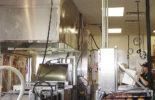

A busy kitchen line goes through hundreds of pans a week, and every one of them sends grease particles up into the hood. Most people never think about where that grease actually ends up. It settles into the metal, coats the filters, and if nobody’s cleaning it out on schedule, it just keeps stacking up above an open flame. This deposited grease over time becomes the perfect setup for a kitchen fire hazard waiting to happen. This is why professional hood cleaning services exist in the first place. Here’s a look at what a certified crew actually does when they show up for the job.
Importance of Hood Cleaning for Every Commercial Kitchen
Fire risk is the first reason why we need hood cleaning services. Grease doesn’t need much heat to ignite once it’s built up thick enough, and hoods sit right above the source of that heat all day long. But apart from fire risk, there are also other reasons commercial kitchens need these services.
A clogged hood also blocks airflow, so smoke and heat sit in the kitchen longer than they should, and staff end up working in worse conditions than necessary. Exhaust fans wear out faster too when grease is choking the system. And if an inspector shows up unannounced, a hood that hasn’t been touched in months is one of the first things that gets flagged.
The importance of hood cleaning affects how the whole kitchen operates day to day.
What Certified Technicians Inspect Before Cleaning Begins
Assessing Grease Build-Up
Before any scrubbing starts, technicians walk the system first. Hood canopy, filters, ductwork, exhaust fan – each gets checked so they know how bad the buildup actually is before deciding the best approach to clean it.
Identifying Problem Areas
Grease never builds up evenly. Some corners of a hood system trap way more than others, and those spots usually need extra time and different tools. Technicians note the heavy areas, the awkward-to-reach sections, and anywhere a past cleaning clearly missed.
Step-by-Step Hood Cleaning Process
Step 1 – Preparing and Protecting the Kitchen Area
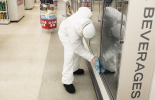
Nothing gets sprayed until the surrounding kitchen is covered and protected. Equipment gets shielded, floors get covered, and depending on the layout, ladders or lifts get set up to reach the higher sections safely.
Step 2 – Removing Filters and Components
Filters come off first. Once they’re out, technicians have a direct path to the areas where grease collects the fastest, and the filters themselves get cleaned separately rather than scrubbed in place.
Step 3 – Deep Degreasing the Hood System
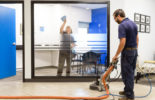
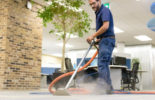
This step takes the longest. Commercial-grade degreasers go on to loosen years or months of buildup, followed by scraping and pressure washing to actually strip it off the metal. Thick, older buildup sometimes needs a second round before it comes clean.
Step 4 – Cleaning Ductwork and Exhaust Components
The part people forget about is everything behind the hood itself. Grease travels further into the ductwork and exhaust system than most owners realize, and that hidden buildup is exactly what turns into a serious fire hazard down the line if nobody’s checking it.
Step 5 – Final Inspection and Documentation
Once the physical work wraps up, the whole system gets reviewed again against safety standards. Technicians hand over documentation at this point too – proof of the work that owners can pull out for insurance purposes or the next fire inspection.
Put together, that’s the hood cleaning process start to finish, and it’s a lot more involved than a quick spray-and-wipe.
The Role of Professional Grease Removal Services
Baked-on grease doesn’t respond to dish soap or a scrub brush. It needs stronger tools and degreasers made specifically for the job. That’s really the value professional grease removal services bring – equipment that runs cooler and cleaner afterwards, and a fire risk that’s actually gone down instead of just hidden under a surface wipe.
DIY vs Professional Hood Cleaning: What’s the Difference?
| DIY Cleaning | Professional Cleaning |
| Cleans visible surfaces | Cleans the entire exhaust system |
| Limited equipment | Commercial-grade tools and products |
| May miss hidden grease | Thorough inspection and cleaning |
| Higher compliance risks | Helps meet industry standards |
Most of the gap in DIY vs professional hood cleaning shows up in places a mop or a rag was never going to reach anyway.
How Often Should Commercial Kitchen Hoods Be Cleaned?
There’s no single answer – it comes down to how much cooking actually happens. A restaurant running fryers and grills nonstop needs a tighter schedule than a kitchen that only cooks a few hours a day. Seasonal kitchens or lower-volume spots can usually stretch the gap between cleanings a bit further. Regardless of volume, sticking to a set schedule is much better than waiting for a hazard to take place.
Why Businesses Trust Certified Hood Cleaning Services
Training is really what separates a certified crew from anyone with a pressure washer. They know what buildup looks like at different stages, follow safety steps built for grease and exhaust work specifically, and deliver roughly the same result every single visit. Over time, that consistency saves equipment from unnecessary wear and keeps owners from scrambling before every inspection cycle.
Conclusion
A real hood cleaning involves an inspection, a full degreasing pass, and paperwork at the end -not a fast wipe of the visible surfaces. Certified hood cleaning services with Crystal Clean Maintenance. get into that hidden buildup properly, and that’s what keeps a commercial kitchen safe and compliant over the long run.
FAQs
How often should a commercial kitchen hood be cleaned?
It depends on cooking volume, but most kitchens need it anywhere from monthly to a few times a year.
Is DIY hood cleaning enough to stay compliant?
No, since DIY methods usually miss the hidden grease inside ductwork that inspectors and fire codes actually check for.
Why hire certified technicians instead of general cleaning staff?
Certified techs are trained specifically for grease removal and exhaust systems, which general cleaning staff typically aren’t.