


How Professional Commercial Floor Cleaning Services Protect Your Facility’s Value
Floors take more abuse than almost anything else in a commercial building, and it shows up slowly – a bit of dulling here, a scuff pattern building up there – until one day the floor looks noticeably worn, and nobody can quite pinpoint when it happened. That gradual decline is exactly what proper commercial floor cleaning services are meant to prevent, and skipping this maintenance tends to cost far more down the line than the cleaning itself would have.
Floors Are a Bigger Asset Than Most Facility Managers Treat Them As
Replacing commercial flooring is expensive, disruptive, and usually means shutting down part of a facility while the work gets done. A floor that’s properly maintained can last considerably longer than one left to wear down on its own, which makes routine cleaning less of a cosmetic expense and more of an actual asset protection strategy. Facility managers who treat floor care as optional tend to end up paying for full replacement years earlier than necessary.
What Regular Foot Traffic Actually Does to a Floor
As people walk across a commercial floor, they bring in dirt, grit, and moisture, and over time the accumulation of these materials causes wear on the floor’s protective layer. After the layer has worn away, the floor is left exposed to the elements and subjected to faster damage than many believe. There are several specific issues that arise when a lack of maintenance takes its toll:
- Dulling and loss of shine, particularly in high-traffic corridors and entryways
- Scratches and scuffing that deepen over time without proper buffing
- Grout and seam discoloration in tiled areas that regular mopping simply can’t reach
- Slip hazards from grime buildup, particularly in areas exposed to moisture or grease
Professional Cleaning Does More Than a Standard Mop-and-Bucket Routine
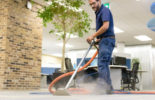
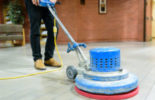
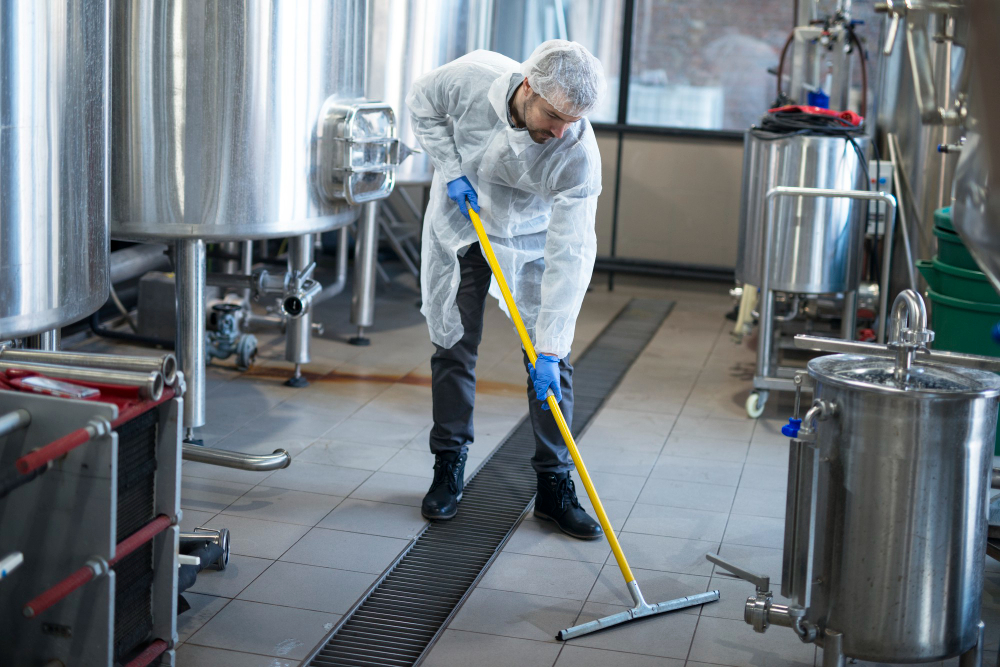
There’s a real difference between daily maintenance cleaning and the kind of work professional commercial floor cleaning services actually provide. Professional-grade equipment can strip old wax or sealant, deep clean grout lines, and apply protective coatings that a standard mop simply can’t replicate. This level of care isn’t necessary every single day, but running it on a proper schedule extends the floor’s life considerably compared to relying on daily cleaning alone.
How Often Different Floor Types Actually Need It
How often floor maintenance is required depends largely on floor material and traffic level. Vinyl and linoleum flooring in busy areas usually require stripping and resealing every few months. Tile and grout require less frequent deep cleaning but still need maintenance to avoid staining. Concrete flooring in industrial or warehouse areas requires a different approach.
Why This Matters for Property Value, Not Just Appearance
A well-maintained floor affects more than how a space looks to visitors or customers walking in. Commercial properties get appraised partly on the condition of fixtures and finishes, and flooring that’s visibly worn or damaged can genuinely affect a property’s valuation during a sale or lease renewal. Beyond that, worn or damaged flooring creates liability exposure – a cracked or uneven surface is a slip-and-fall risk that most facility insurance policies scrutinize closely after an incident.
What to Look for in a Floor Cleaning Partner
Not every cleaning contractor has the right equipment or experience for commercial-scale floor maintenance. A few things worth confirming before signing on:
- Experience with your specific floor type, since vinyl, tile, and concrete all need different treatment approaches
- Proper industrial-grade equipment for stripping, buffing, and resealing
- A documented maintenance schedule rather than a vague promise of periodic service
- References or case studies from similar commercial facilities
Crystal Clean Maintenance incorporates floor care into its commercial contracts using a precise approach involving scheduled flooring visits with specific materials in mind. The company recognizes that flooring is an asset that needs to be protected rather than merely an item that is cleaned during its cleaning visits.
Protecting What’s Already an Investment
Floors represent a real capital investment that most facilities never think to protect the same way they’d protect equipment or fixtures. Running a proper maintenance schedule through a provider that actually understands different floor types is what keeps that investment intact – extending its lifespan, maintaining its appearance, and avoiding the liability risk that comes with letting it wear down unchecked.