




Grease builds up inside a kitchen exhaust system whether anyone notices it or not, and by the time it’s visible on the hood surface, there’s usually a lot more sitting further back in the ductwork than most kitchen managers realize. A proper kitchen exhaust hood cleaning service exists precisely because this buildup isn’t just an appearance issue; it’s one of the leading fire risks in any commercial kitchen, and it’s exactly the kind of thing that gets flagged hard during inspection.
Why Grease Buildup Is a Bigger Problem Than It Looks
With every hour that passes, grease-impacted vapor travels the kitchen via the hood, takes its way through the duct, and reaches the fan position outside. During this journey, some of the grease particles condense and stick to the inner parts, thus forming one layer after another in the course of several weeks or months. If not addressed, the buildup of grease vapor becomes very flammable, and fires originating in the hood system of the kitchen can easily spread.
A few warning signs that a system is overdue for attention:
- Visible grease dripping or pooling near the hood filters
- A noticeably stronger cooking odor lingering longer than usual in the kitchen
- Reduced airflow or a fan that seems to be working harder than it should
- Any visible grease residue on ceiling tiles or walls near the exhaust system
What Commercial Hood and Duct Cleaning Actually Involves
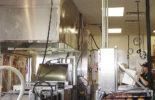
A proper cleaning goes well beyond wiping down the visible hood surface. Commercial hood and duct cleaning services typically cover the hood itself, the filters, the ductwork running through the building, and the exhaust fan at the rooftop or exterior termination point. This usually means physically accessing sections of ductwork that aren’t visible during daily kitchen operation, since grease accumulates just as readily in those hidden sections as it does on the surfaces staff actually see.
Filters need attention on a far more frequent basis than the ductwork itself, since they’re the first line of defense catching grease before it travels further into the system. A kitchen running filters that haven’t been cleaned properly is effectively pushing more grease buildup deeper into the ductwork than necessary.
Compliance Isn’t Optional in This Area
Fire codes in most jurisdictions require documented, regular hood and duct cleaning for commercial kitchens, with frequency typically tied to how much cooking volume a kitchen actually produces. High-volume kitchens running solid fuel or heavy grease cooking often need service monthly, while lower-volume operations might only require quarterly or semi-annual cleaning. Insurance providers frequently request documentation of this cleaning schedule too, and a kitchen without proper records can find a fire-related claim denied outright if the exhaust system wasn’t maintained according to code.
What to Look for in a Cleaning Provider
Not every cleaning company is properly certified or equipped to handle this specific job. A few things worth confirming before hiring:
- Certification specific to commercial kitchen exhaust systems, not just general commercial cleaning experience
- Access to proper equipment for reaching interior ductwork sections, not just surface-level hood cleaning
- Detailed documentation and service records provided after each cleaning, since this becomes essential for both fire inspections and insurance purposes
- A cleaning schedule based on actual kitchen usage and cooking volume, rather than a generic one-size-fits-all timeline
Crystal Clean Maintenance runs its exhaust cleaning programs around exactly this kind of certified, documented approach, covering hoods, filters, ductwork, and exhaust fans. They provide services that are scheduled according to your commercial kitchen requirements and provide you with timely maintenance depending on how busy your kitchen operations remain.
Protecting the Kitchen and Everyone in It
A commercial kitchen exhaust system that’s properly maintained isn’t just a compliance checkbox—it’s a genuine safety measure protecting staff, the building, and the business itself from one of the more preventable fire risks in commercial cooking. Staying ahead of grease buildup through a scheduled, properly documented cleaning program is considerably cheaper and safer than dealing with the aftermath of a fire that started in a system nobody thought to check.